

The kippah is more than a piece of fabric. It is a symbol, a story, a statement. Worn atop the heads of Jewish people across centuries and continents, it carries memory, identity, and faith. From intricate embroidery in Baghdad to the bold colors of the rainbow kippah, this small circle connects past and future, tradition and innovation, pride and humility. In every stitch, it speaks: of belonging, of resilience, of the courage to be seen.
A kippah (called a yarmulke in Yiddish) is a small cap worn as a sign of reverence, humility, and spiritual awareness. While customs vary across Jewish communities, the central idea remains the same: wearing a kippah reminds us that something greater than ourselves is always above us.
In rabbinic tradition, covering one’s head expresses yir’at shamayim — “awe of Heaven” — acknowledging the Divine presence and recognising that our actions carry moral and spiritual weight. Some also see the kippah as a symbol of God’s guidance and protection, not literally as a “hand of God,” but as a reminder of humility, responsibility, and ethical consciousness.
A Tapestry of Cultures
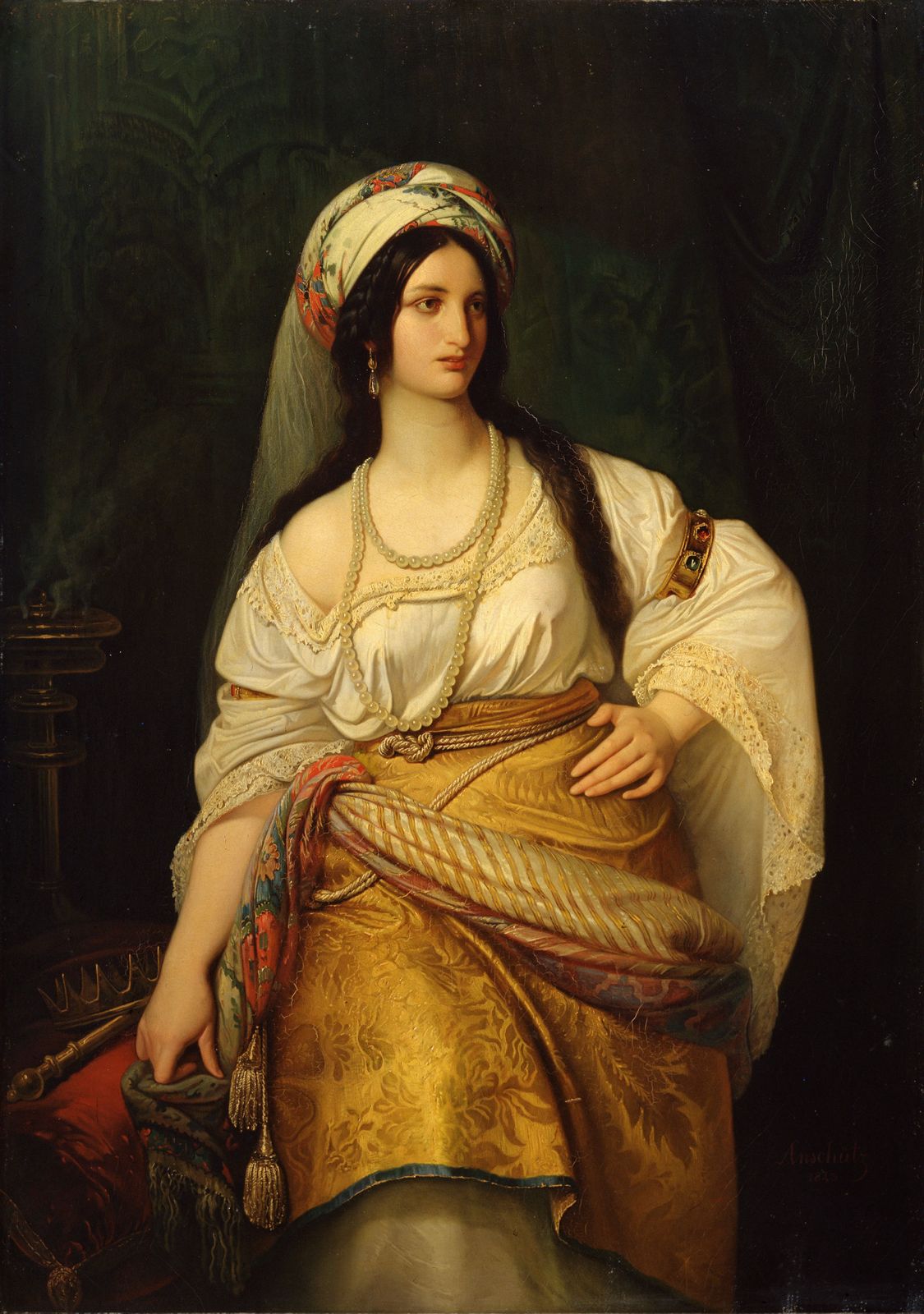
Jewish head coverings have never been “just fabric.” They carry stories of migration, memory, faith, resistance, and identity. Across centuries and continents, kippot have reflected the unique journeys of different communities: the intricate geometric embroidery of Iraqi kippot echoing Baghdad’s cosmopolitan past, the simple and devout black kippot of Yemenite Jews, and the delicate patterns of Persian kippot blending Iranian artistry with Jewish tradition. In Central Asia, Bukharian kippot feature vibrant embroidery and domed shapes that mirror the Silk Road’s cultural mosaic, while in North Africa, Moroccan head coverings — from kippot to fezzes — reflect centuries of coexistence with Muslim neighbors.
Even in Eastern Europe, head coverings evolved into defining symbols of communal identity: the black hat or shtreimel worn by Haredi and Hasidic Jews speaks of modesty, continuity, and belonging, transcending geography. Crocheted kippot and colorful suede or velvet caps show the ever-changing expressions of Jewish identity, politics, and creativity.
A Symbol of Belonging
Beyond its spiritual significance, the kippah also functions as a visible marker of communal belonging. Wearing a kippah signals one’s connection to a wider Jewish community, a silent affirmation of shared history, values, and identity. Over the centuries, different communities have adapted shapes, colors, and materials to reflect local traditions, religious interpretations, and cultural aesthetics. These variations not only allowed individuals to express personal faith but also reinforced a sense of cohesion and recognition within the group, creating a subtle yet powerful visual language of belonging across time and geography.
The Rainbow Kippah: Pride and Belonging
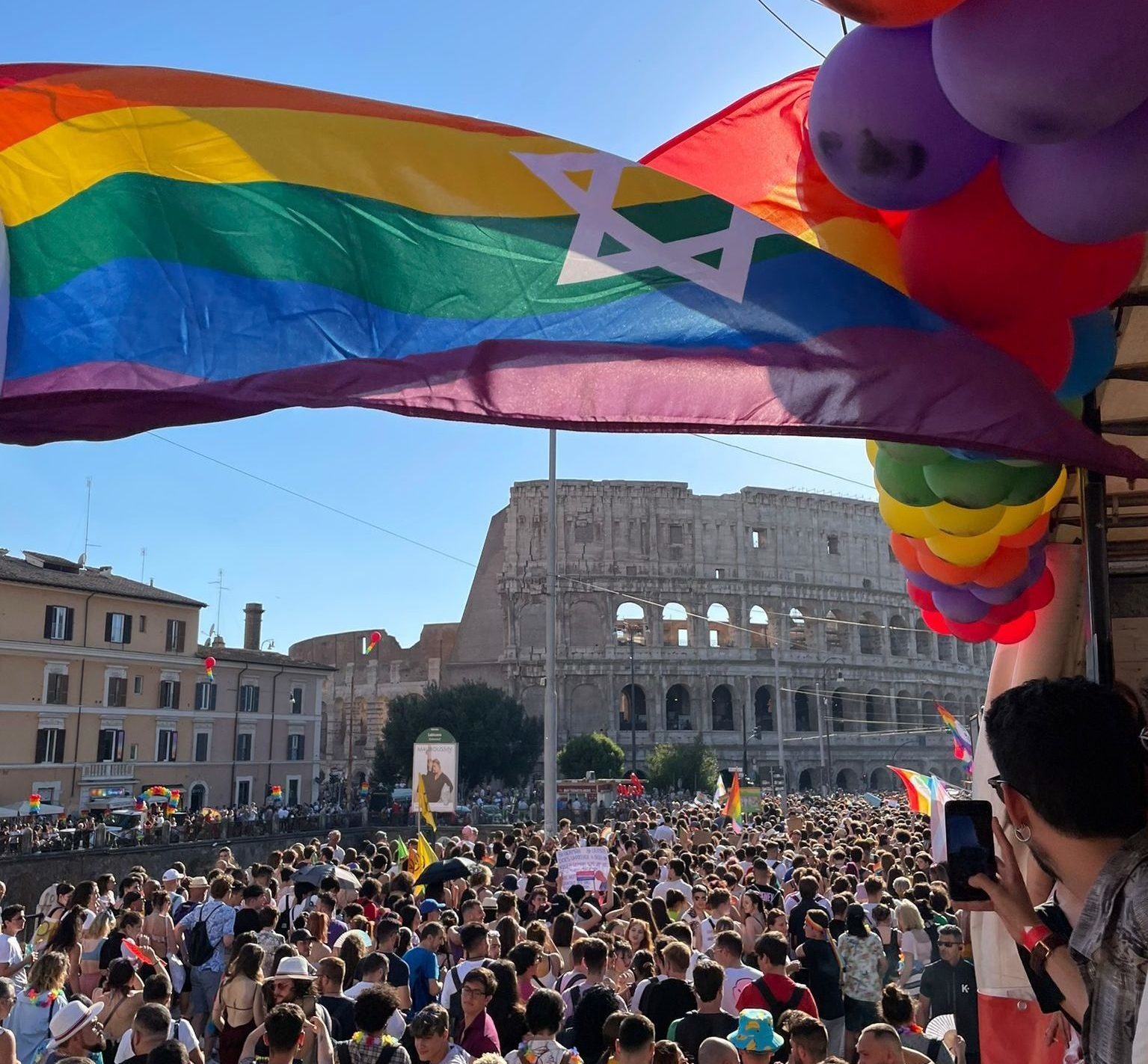
Among these long-standing traditions, one kippah carries a new story: the rainbow kippah. At Keshet Europe, it is more than an accessory. It is a declaration. It proclaims that LGBTQIA+ Jews exist, belong, and that their Jewish and queer identities are not contradictory but mutually enriching.
Where traditional kippot often encode the history of a specific region, family, or generation, the rainbow kippah represents a community that is actively sought. While a person is often—though not always—born into or immersed in the Jewish community, the LGBTQIA+ community is one in which belonging is consciously sought, nurtured, and claimed. Worn in pride marches, synagogues, Shabbat tables, and community gatherings, the rainbow kippah carries both the spirit of past struggles for visibility and the hope of spaces of safety, affirmation, and joy for the future.
Every time we wear it, we give representation to someone who might see in us a source of support. We transform this aspect of our identity from what could be perceived as a vulnerability into a flag—a statement of pride, resilience, and solidarity.
The rainbow kippah stands among them as a new chapter—a symbol of reclamation, diversity, and radical inclusion. At Keshet Europe, we honour all these traditions while celebrating the one that binds us today: a kippah that shines in every colour of our community.
Each kippah, whether simple or ornate, traditional or rainbow-colored, carries the memory of generations. It is a reminder that we are part of a living chain of stories, struggles, and triumphs—a chain that stretches across time and space, connecting us to those who came before and to those who will come after. At the same time, it points to the future: as new generations wear kippot in ever-changing patterns and colors, they shape a Jewish world that embraces diversity, celebrates difference, and affirms that every individual, regardless of background or identity, belongs. Small and circular, yet powerful in meaning, the kippah calls us to live with awareness and care for one another. It is both a symbol of faith and a beacon of hope, showing that even the simplest gestures can carry profound significance, connecting us across communities, across borders, and across time itself.
Let’s keep in touch.
Discover more about high-performance web design. Follow us on Twitter and Instagram.

