How Jewish and queer concepts intersect to help us better welcome our identity?
Esther’s Coming Out
Let's begin with a short story - one read aloud each year during the Jewish festival of Purim.
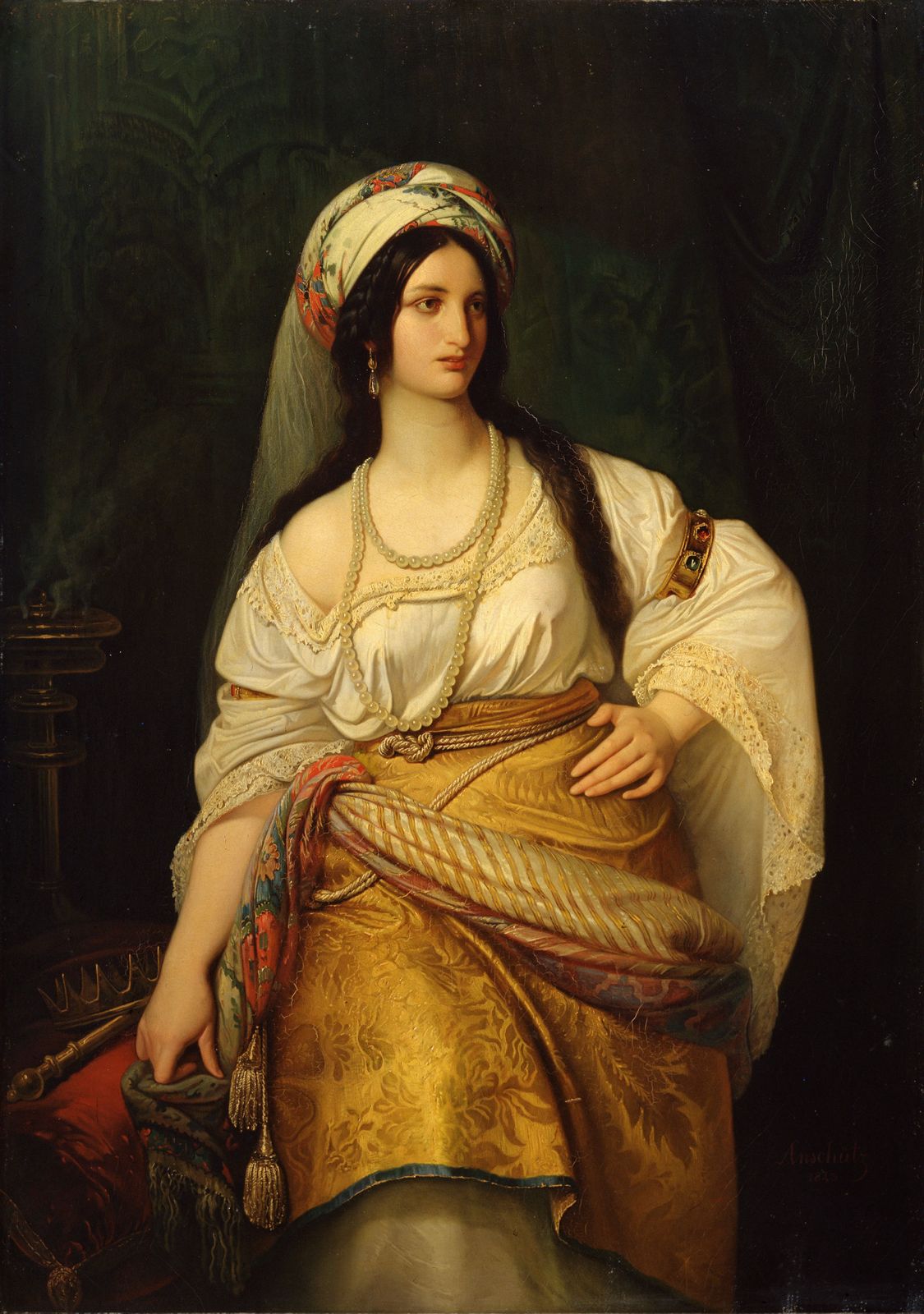
In the Megillah of Esther, Esther is a young Jewish woman forced to marry King of Persia. As the new queen, she hides her identity in a kingdom where her community is increasingly discriminated against. One day, she learns that a date has been set for the extermination of all the Jews in the realm. With her community facing death, Esther gathers her courage and reveals to the king that she is Jewish.
Purim celebrates this brave act. During the holiday, we read the Megillah, dress in costumes, and rejoice loudly. The costumes themselves echo the theme of hidden and revealed identities: we wear masks to celebrate a queen who finally removed hers.
In this Jewish story, we find a situation strikingly close to what we now call coming out: revealing a part of oneself that places a person in deep vulnerability and exposes them to possible rejection. By speaking up, Esther risks not only her status and her relationship with the king, but her life itself. After all, the story begins with the king having already executed a queen after a disagreement.
What makes Esther's revelation even more powerful is its timing. She doesn't speak up immediately. She waits, prepares, and chooses the right moment. This mirrors the experience of many queer people, who must carefully weigh the risks of when, how, and to whom they reveal themselves.
Hidden Identities and Shared Vulnerabilities
In the queer community, just as in the jewish community, it is not uncommon to learn very early how to hide who you are.
Hiding a Magen David, or a Queer flag. Not talking about your crushes to your family. Saying you eat vegetarian instead of Kosher at school. Avoiding any sign that might out you as queer or Jewish.
Jewish and Queer communities are among the few minorities that are not immediately visible. This invisibility can sometimes allow us to enter spaces where we are not fully welcomed - just as Esther becomes queen in a kingdom that threatens her people.
But coming out is rarely a single moment; it is often a series of small, careful decisions. For many queer Jews, this process can involve navigating multiple layers of identity, each with its own expectations and potential risks. In a Jewish space, being openly queer may provoke discomfort or misunderstanding, especially in more traditional or religious settings. In a queer space, being openly Jewish can sometimes trigger stereotypes or prejudice.
These overlapping identities highlight a paradox: being part of two invisible communities can provide a certain flexibility, a hidden resilience, but it can also deepen the sense of isolation. Just as Esther had to weigh the safety of her own life against the survival of her people, queer Jews must constantly assess when and where it is safe or necessary to reveal themselves.
Spaces Where We Can Be Whole
This constant assessment, this weighing of risk and revelation, is exhausting. But Esther's story offers us more than a mirror of our struggle - it offers a way forward.
Esther is both a woman and a Jew in the Persian kingdom - two identities that each carry mortal risk. The Megillah opens with Vashti, a women and previous queen, executed for refusing the king's orders. Later, Mordechai, a jew, becomes a target of antisemitism, condemned to death. Esther embodies both vulnerabilities. Yet at Purim, we celebrate both her womanhood and her Jewishness: not despite the danger, but because she refused to separate them.
This is why spaces that welcome our complete selves matter so deeply: queer spaces celebrating our Jewishness, Jewish spaces celebrating our queerness — just like interfaith queer groups, synagogues celebrating same-sex unions - or Keshet, built for both.
Like Esther, we deserve spaces where coming out doesn't mean splitting ourselves in half. Where we can sing for who we are, dance to celebrate life, Where celebration isn't conditional and joy doesn't need to hide, Where we remove our masks and find, beneath them, not danger but pride

Let’s keep in touch.
Discover more about high-performance web design. Follow us on Twitter and Instagram.

